
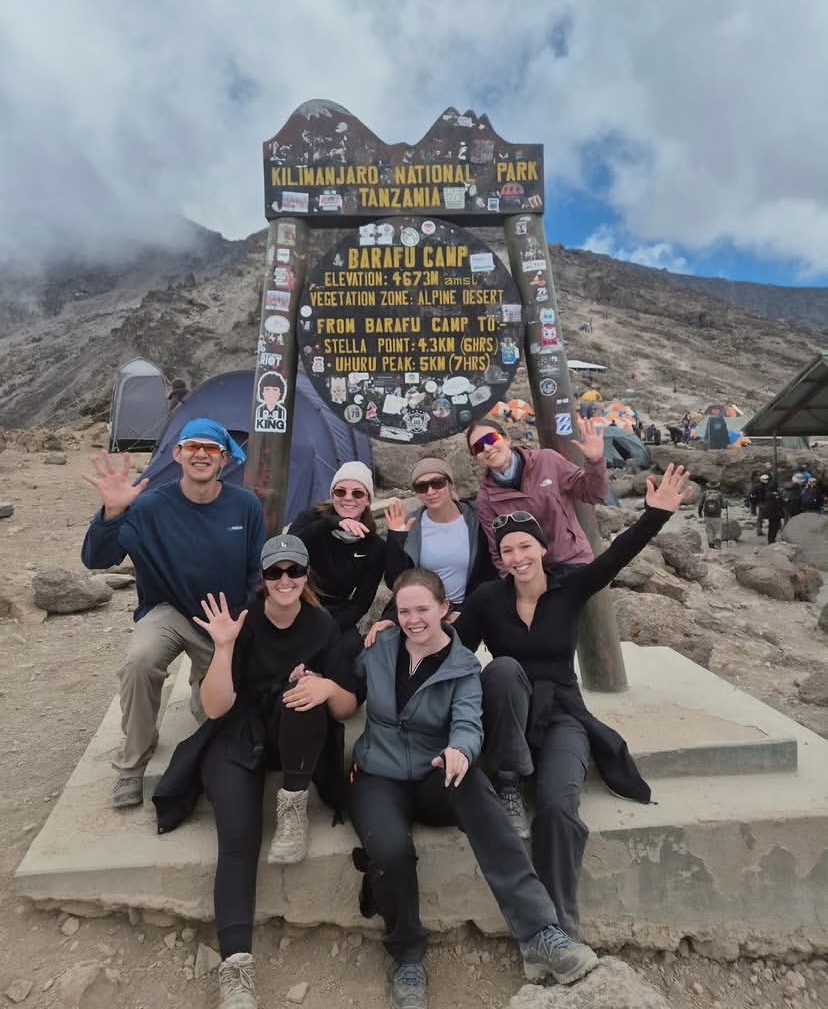
Trek Kilimanjaro in 7 days via the scenic Lemosho Route, crossing the Shira Plateau with good acclimatization and fewer crowds.
About this tour
Mount Kilimanjaro Trek via Lemosho Route (7 Days)
The Lemosho Route begins on the western side of Kilimanjaro and is widely considered one of the most beautiful ways to climb the mountain. It starts in lush rainforest, where wildlife sightings are possible, and crosses the wide Shira Plateau with open views.
The route climbs gradually and gives your body time to adapt, which helps your chances of reaching Uhuru Peak at 5,895 m. It finishes with a descent through Mweka.
Highlights
- Scenic western approach through rainforest and the Shira Plateau
- Gradual climb with good acclimatization
- Fewer crowds than the most popular southern routes
- Experienced local guides and a full support crew
Day by day
Itinerary
Day 1 Day 1: Lemosho Gate to Mti Mkubwa Camp
Lemosho Gate (2,100 m) to Mti Mkubwa Camp (2,750 m) through rainforest.
Day 2 Day 2: Mti Mkubwa Camp to Shira 1 Camp
Mti Mkubwa to Shira 1 Camp (3,500 m), crossing out of the forest onto the Shira Plateau.
Day 3 Day 3: Shira 1 Camp to Shira 2 Camp
Shira 1 to Shira 2 Camp (3,850 m) across the plateau.
Day 4 Day 4: Lava Tower to Barranco Camp
Shira 2 to Lava Tower (4,600 m), then down to Barranco Camp (3,950 m). A classic climb-high, sleep-low day.
Day 5 Day 5: Barranco Camp to Barafu Camp
Barranco Camp over the Barranco Wall and on to Barafu Camp (4,673 m). Early dinner and rest.
Day 6 Day 6: Summit Day, Uhuru Peak
Start around midnight via Stella Point to Uhuru Peak (5,895 m), then descend to Mweka Camp (3,100 m).
Day 7 Day 7: Mweka Camp to Mweka Gate
Mweka Camp to Mweka Gate (1,640 m), then transfer to Moshi.
Your safari at a glance
What's included
Included
- Airport pick-up and drop-off, plus transfers to and from the park gate
- All Kilimanjaro National Park fees, rescue fees and VAT
- Camping fees and sleeping tents, dining tent, tables, and chairs
- Licensed mountain guides, cook, and porters, including their wages
- Three meals a day on the mountain, hot drinks, and treated drinking water
- Foam sleeping mattress
- First aid kit, pulse oximeter checks, and emergency oxygen
- Pre-climb briefing and gear check in Moshi
- Summit certificate for those who reach Stella Point or Uhuru Peak
Not included
- International and domestic flights
- Tanzania visa and travel or medical insurance
- Tips for the guides, cook, and porters
- Personal gear, equipment rental, and personal expenses
- Hotel accommodation, drinks, and meals in Moshi before and after the trek
- Optional upgrades (private tent, thicker mattress, private toilet)
Important information
- Uhuru Peak is 5,895 m (19,341 ft). Altitude affects everyone, so fitness, a slow pace, and a positive attitude matter.
- A pre-climb briefing and gear check is held the evening before the trek begins.
- Tips are paid at the end of the trek. A common guide is USD 20 to 25 per day for the lead guide, 15 to 20 for the assistant guide, 12 to 15 for the cook, and 8 to 10 per porter, shared by the group.
- Travel insurance that covers high-altitude trekking is strongly recommended.
- Bring warm layers, waterproof jacket and trousers, broken-in hiking boots, gloves, a warm hat, a headlamp, trekking poles, and a sleeping bag (rental is available).
- Private tour: the climb can start any day of the year and the itinerary can be adjusted.
Best time to travel
Related tours
 Featured
Mount Kilimanjaro National Park
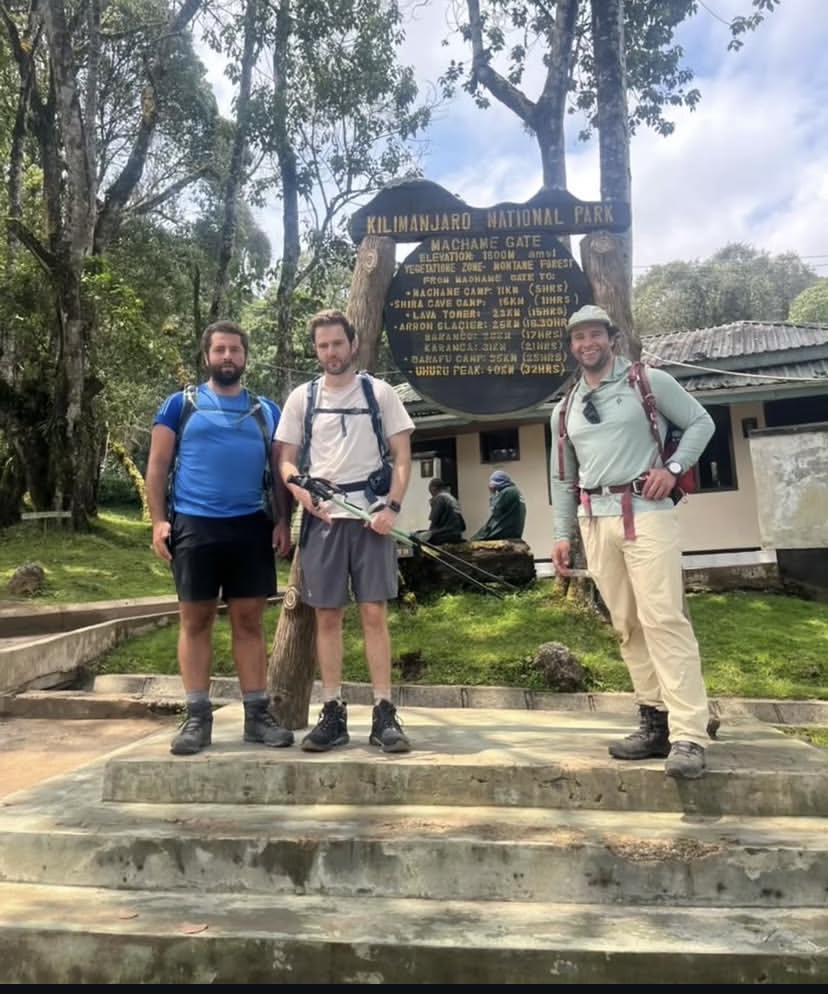
8 Days Mount Kilimanjaro Trek via Lemosho Route
Our most recommended Kilimanjaro climb: 8 days on the Lemosho Route with the best acclimatization, spectacular views, and a high summit success …
 Featured
Mount Kilimanjaro National Park
6 Days Mount Kilimanjaro Trek via Umbwe Route
Take the steepest and most direct path up Kilimanjaro in 6 days on the Umbwe Route, a challenging climb for experienced and well-prepared trekke…
 Featured
Mount Kilimanjaro National Park
7 Days Mount Kilimanjaro Trek via Rongai Route
Climb Kilimanjaro in 7 days via the Rongai Route with an extra acclimatization day, a gentle gradient, and a quiet northern approach.
Explore the region
Related destinations
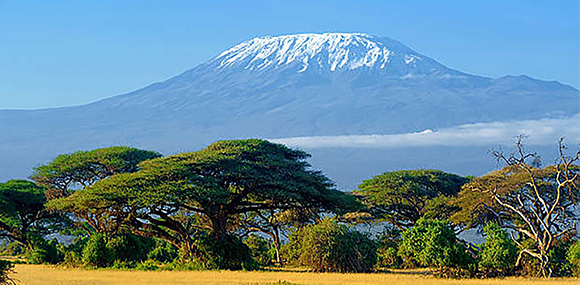 Kilimanjaro in tanzania covers an area of 756 sq km of which an area…
Mount Kilimanjaro National Park
Mount Kilimanjaro National Park by any name is a metaphor for the compelling beauty of East Africa. When you see it, you understand why. Not only is this the highest pea…