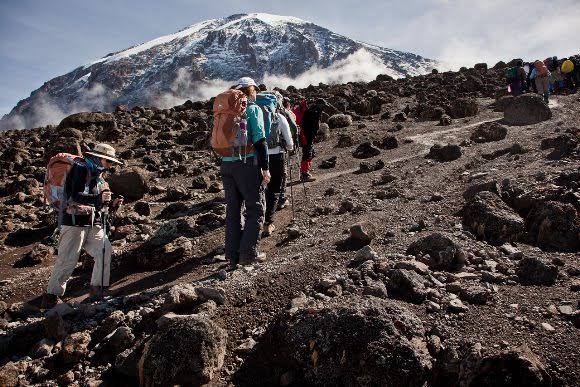
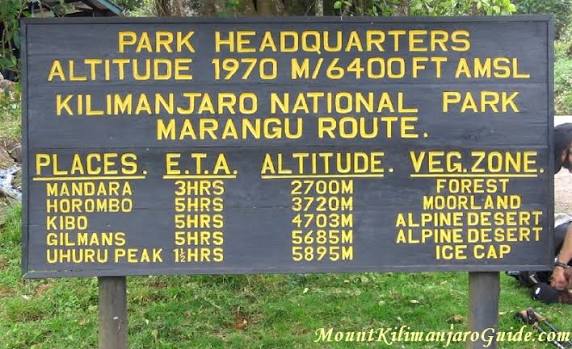
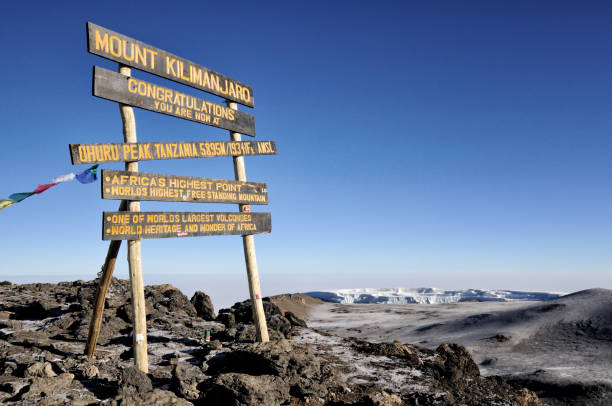
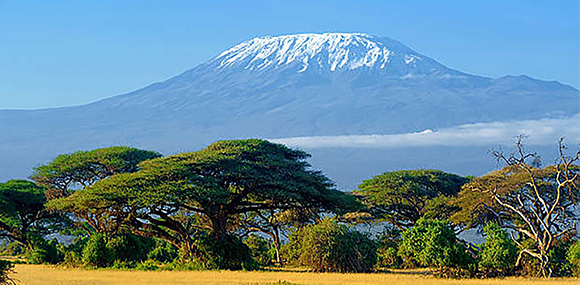
Mount Kilimanjaro National Park by any name is a metaphor for the compelling beauty of East Africa. When you see it, you understand why. Not only is this the highest peak on the African continent it is also the tallest free-standing mountain in the world, rising in breathtaking isolation from the surrounding coastal shrubland – elevation around 900 meters to an imperious 5,895 meters (19,336 feet).
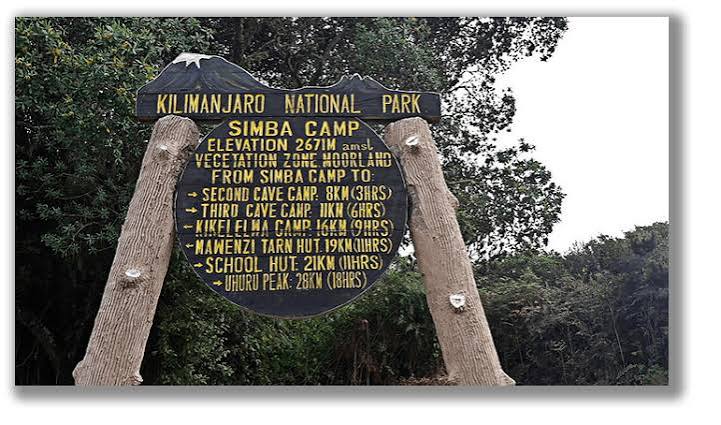
Kilimanjaro National Park is one of the world’s most accessible high summits, a beacon for visitors from around the world. Most climbers reach the crater rim with little more than a walking stick, proper clothing and determination. And those who reach Uhuru Point, the actual summit, or Gillman’s Point on the lip of the crater, will have earned their climbing certificates. But there is so much more to Kili than her summit. The ascent of the slopes is a virtual climatic world tour, from the tropics to the Arctic. Even before you cross the national park boundary (at the 2,700m contour), the cultivated foot slopes give way to lush montane forest, inhabited by elusive elephant, leopard, buffalo, the endangered Abbot’s duiker, and other small antelope and primates. Higher still lies the moorland zone, where a cover of giant heather is studded with otherworldly giant lobelias.
Best to know in Kilimanjaro
- Kilimanjaro is the highest mountain in Africa. It means mountain of Light or Mountain of Greatness.
- One of the largest single freestanding mountains in the world and is unique in being so close to the equator and yet having yearlong ice glaciers, and boasts the largest alpine desert of all the glaciated mountains in East Africa.
- Climbing the Mountain takes you on a journey up her slopes of a climatic world tour from the tropics to the Arctic. The grassy slopes turn to lush rainforest, inhabited by wild animals. Above the tree line is heath and moorland, dominated by giant heathers, and then surreal alpine desert and finally the regal beauty befitting the top of the African continent, smattered by ice and snow.
- Extrodinar sunrises and sunsets
- Breathtaking views
- Only place where snow is found in Africa
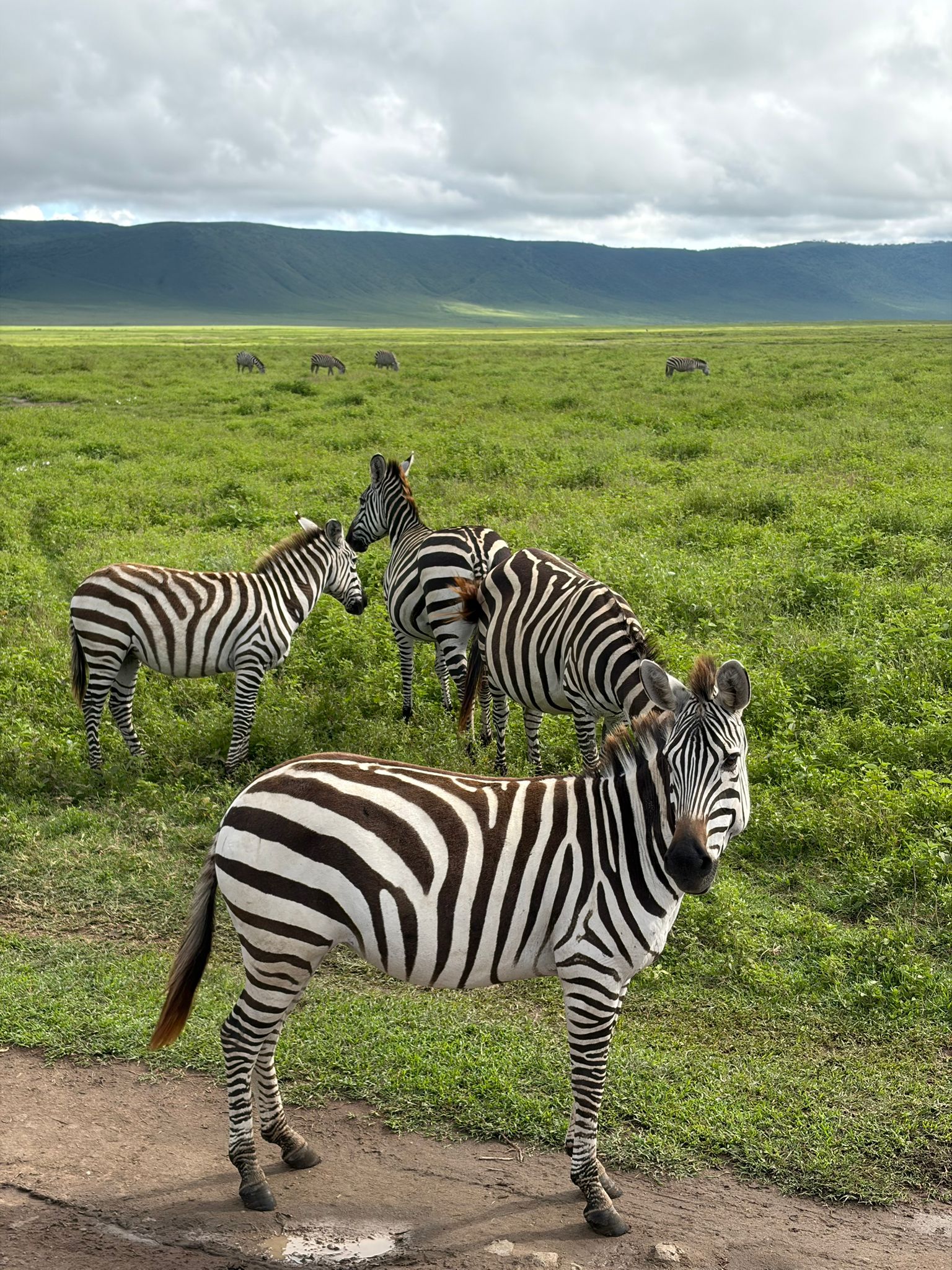
- Wild animals on the slopes of the mountain

 Featured